
What a crop passport actually proves
A QR code on a box is easy. Evidence an EU or US importer can rely on is not. What goes into a RigoTrace passport, what it can prove, and what it deliberately cannot.
By The Agririgo team
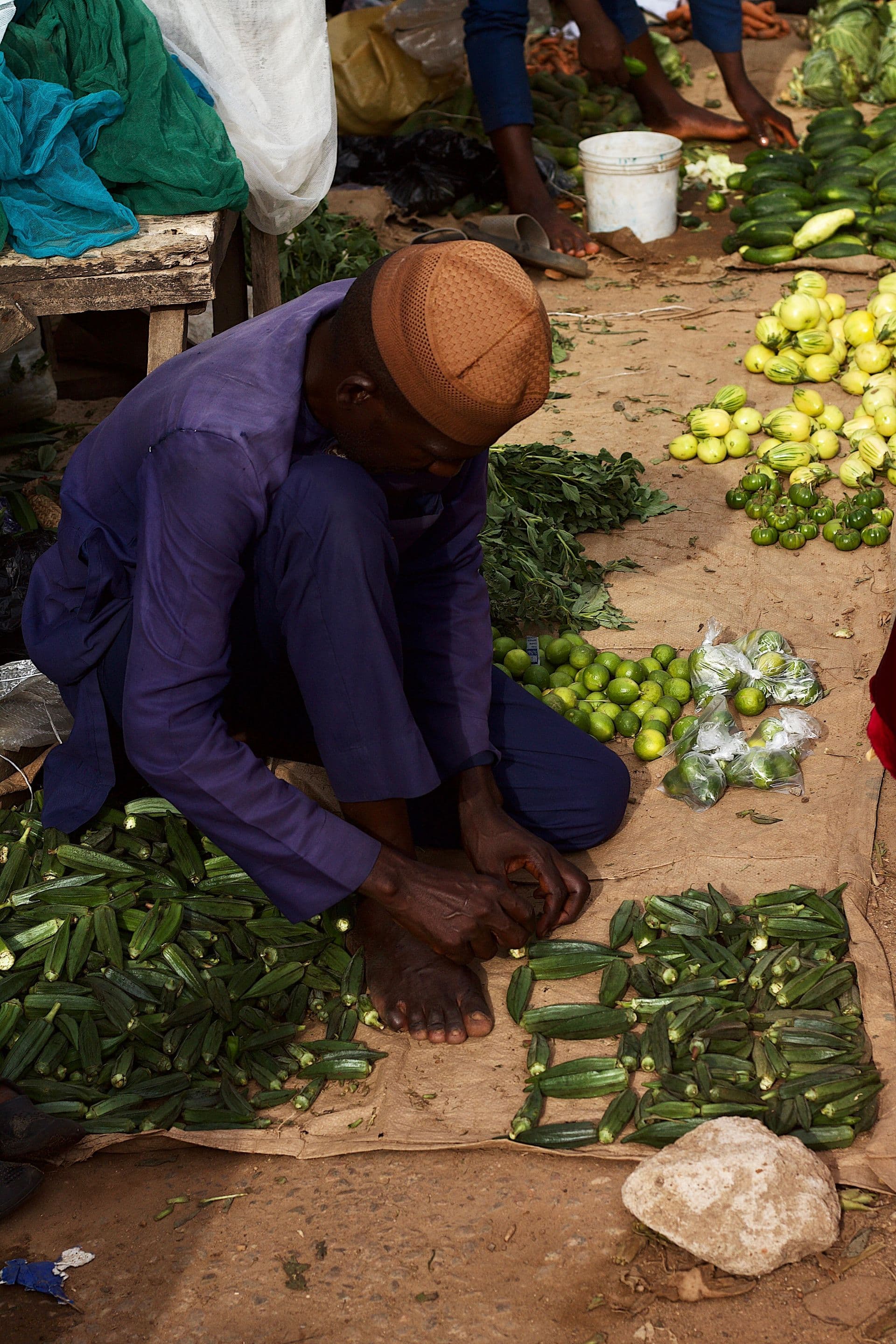
Anybody can print a QR code that opens a nice page. The question a buyer's compliance officer is really asking is different: can you show me this record was not written after the fact, and that it describes the consignment in front of me?
What goes in
- Where it was grown, captured at the farm from a geotagged photograph at planting or harvest, not reconstructed afterwards from a spreadsheet.
- Which season, and which farmer or group, with attribution preserved through pooling and aggregation.
- What checks were done, by whom, and when.
- A record of any change, so an edit is visible rather than silent.
Why the order of events matters
The difference between a record and evidence is whether it can be shown to have existed before the thing it describes was questioned. Passport records are hashed and anchored, so a record cannot be quietly rewritten later and presented as though it had always said that. If somebody does change it, the change is part of the story.
What it deliberately does not do
A passport does not file anybody's due diligence statement, and it does not certify that a consignment is deforestation-free. Under EUDR that obligation sits with the operator placing goods on the EU market, and it is legally theirs. What we do is make sure the data underneath their assessment was captured properly at the farm and can survive scrutiny. Claiming more than that would be doing our customers harm.
Passports and QR codes need an account, because they are a shared, durable record rather than something that lives in one browser tab.